“Every man prays in his own language,
and there is no language that God does not understand.”
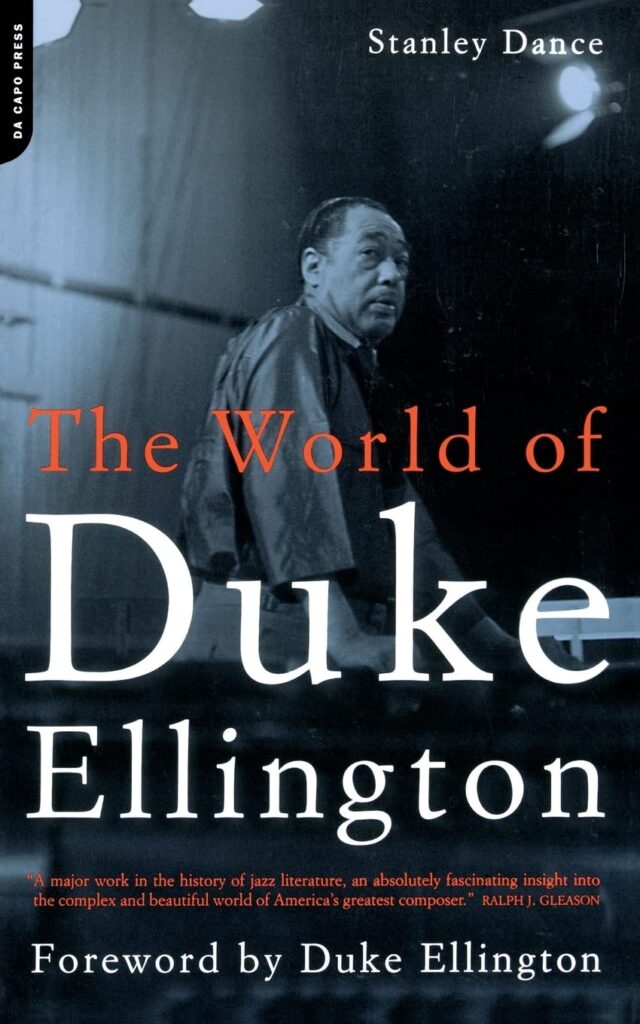
Duke Ellington
Come Sunday
Duke Ellington in Worship
I. Introduction (5 minutes)
- Ellington’s background: jazz innovator, bandleader, cultural icon.
- Sacred concerts (1965, 1968, 1973) as “Ellington’s statement of faith.”
- Relevance for Presbyterians: bridging tradition and innovation in worship.
II. Ellington’s Sacred Works: An Overview (8 minutes)
- Sacred Concerts trilogy: blending jazz, gospel, classical, choral, dance, and spoken word.
- Themes of praise, freedom, love, and justice.
- Key pieces:
- In the Beginning, God (choral/orchestral grandeur)
- Come Sunday (lyrical solo prayer)
- Praise God and Dance (joyful rhythmic invitation)
- Heaven (vision of eternity)
- Emphasis on accessibility and transcendence—music meant for both the concert hall and the sanctuary.
III. Theological Resonances with Presbyterian Worship (7 minutes)
- Reformed emphasis on the sovereignty of God (In the Beginning, God).
- Justice and human dignity—parallel with prophetic preaching traditions.
- Psalm connections—praise through dance, trumpet, cymbal (Praise God and Dance echoes Psalm 150).
- Communal vs. individual prayer—solo laments and congregational refrains (Come Sunday).
IV. Application to Solo Music in Worship (7 minutes)
- Come Sunday as a vocal solo in services (anthem or offertory).
- Instrumental solos: saxophone or trumpet improvisation in worship settings (prelude/meditation).
- Ellington’s approach encourages freedom, creativity, and heartfelt expression.
- Adapting jazz idioms for organ or piano—using Ellington harmonies for preludes/postludes.
V. Application to Choral Music in Worship (8 minutes)
- Arrangements of Come Sunday or Heaven for SATB choirs.
- In the Beginning, God as a festival anthem—great for ecumenical services or special occasions.
- Incorporating gospel-style choral refrains within traditional Presbyterian liturgy.
- Using swing rhythms or blues harmonies to expand stylistic palette of choirs.
- Choral improvisation—call-and-response modeled after Ellington’s band style.
VI. Application to Congregational Music in Worship (8 minutes)
- Hymn adaptation: Come Sunday now appears in some hymnals as a congregational song.
- Refrain-based participation: echoing lines from choir to congregation.
- Rhythm and movement in congregational song—embracing Praise God and Dance.
- Ellington’s blending of genres encourages Presbyterians to expand worship beyond hymnody alone, while staying faithful to psalmic roots.
- Encourages racial reconciliation and cultural inclusion in worship practices.
VII. Practical Tips for Implementation (5 minutes)
- Start small: introduce a single Ellington piece as anthem/solo.
- Collaborate with jazz instrumentalists for special services.
- Thematic programming—tie Ellington works to sermon series (Creation, Praise, Justice).
- Use Ellington’s sacred works in concert/worship hybrids (Vespers, festival services).
VIII. Conclusion and Q&A (2 minutes + discussion)
- Ellington’s sacred works as a bridge between tradition and innovation.
- His music affirms that jazz, gospel, and classical styles all belong in worship.
- Presbyterians can honor heritage while opening doors to new expressions of praise.
- Invite questions and discussion.
Duke Ellington – Sacred ConcertsDownload
Presentation Slides
Presentation Score Examples
COME SUNDAY
• Høybe/Pedersen, p. 97 (CLICK HERE)
• Schirmer, Vol. II, p. 275 (CLICK HERE)
• The Real Book (Chart) (CLICK HERE)
DAVID DANCED (BEFORE THE LORD WITH ALL HIS MIGHT)
• Høybe/Pedersen, p. 100 (CLICK HERE)
• Schirmer, Vol. I, p. 201 (CLICK HERE)
HEAVEN
• Høybe/Pedersen, p. 12 (CLICK HERE)
• Schirmer, Vol. I, p. 97 (CLICK HERE)
• The Real Book (Chart) (CLICK HERE)
HALLELUJAH
Score access is unavailable for this work.
Videos Referenced
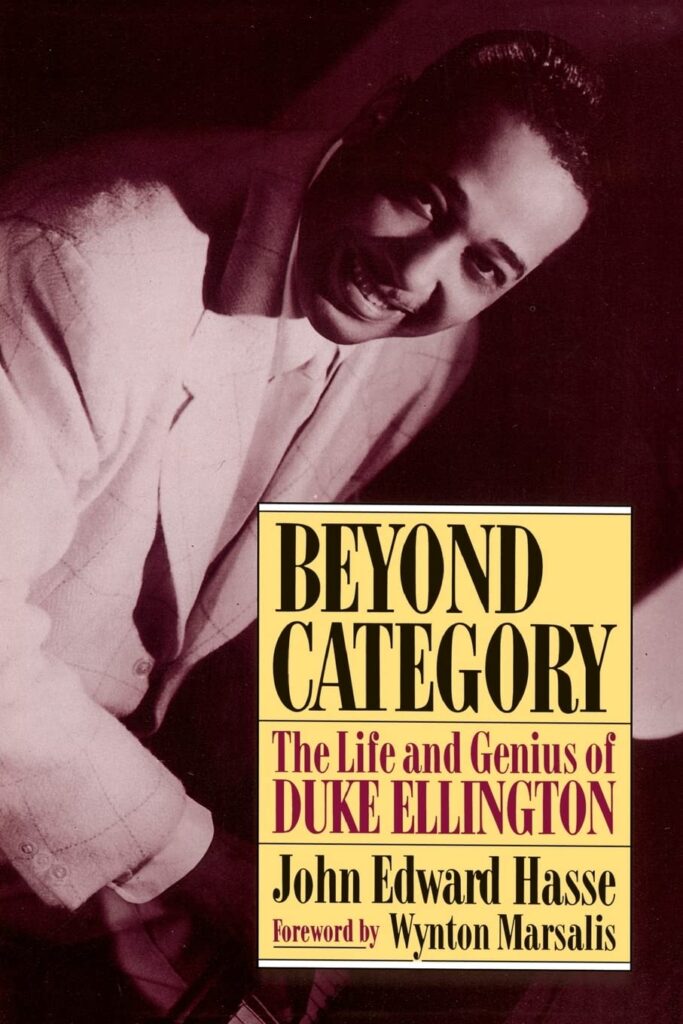
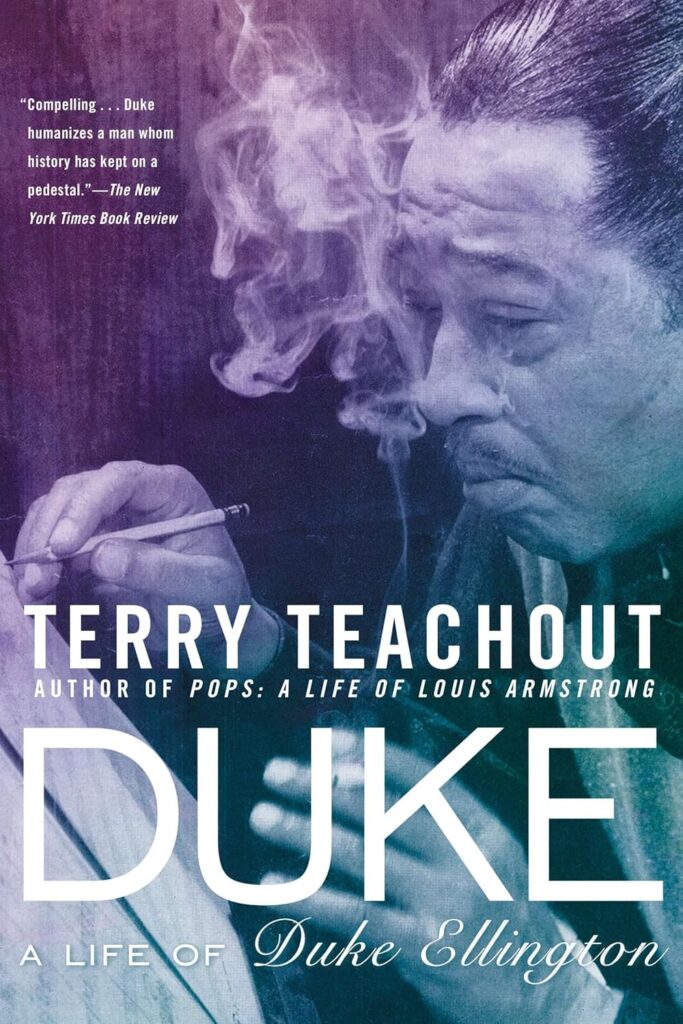
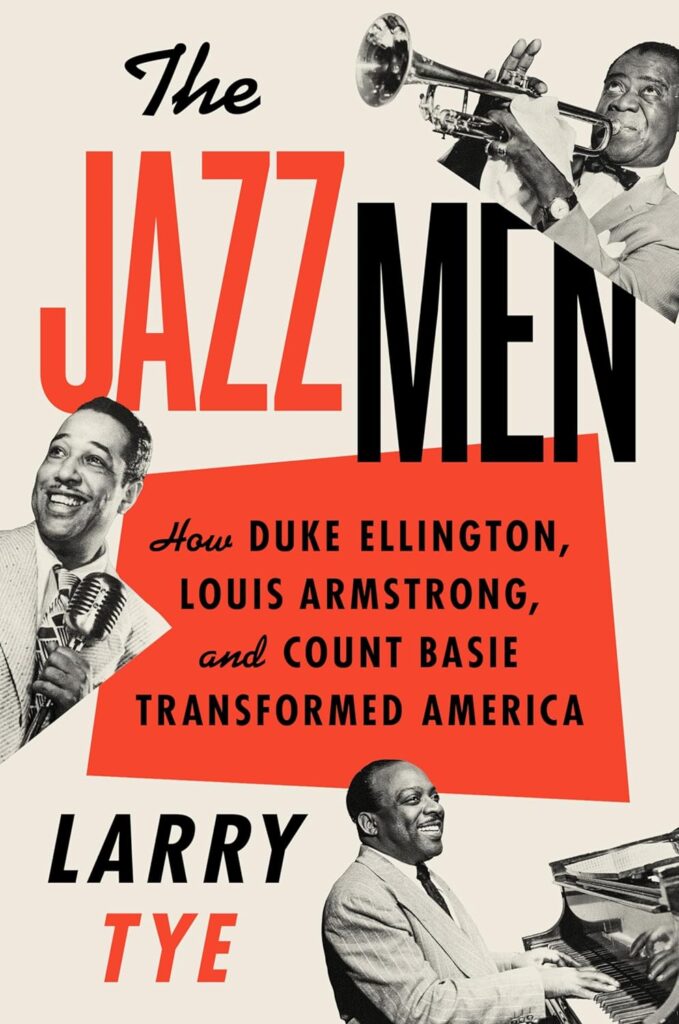
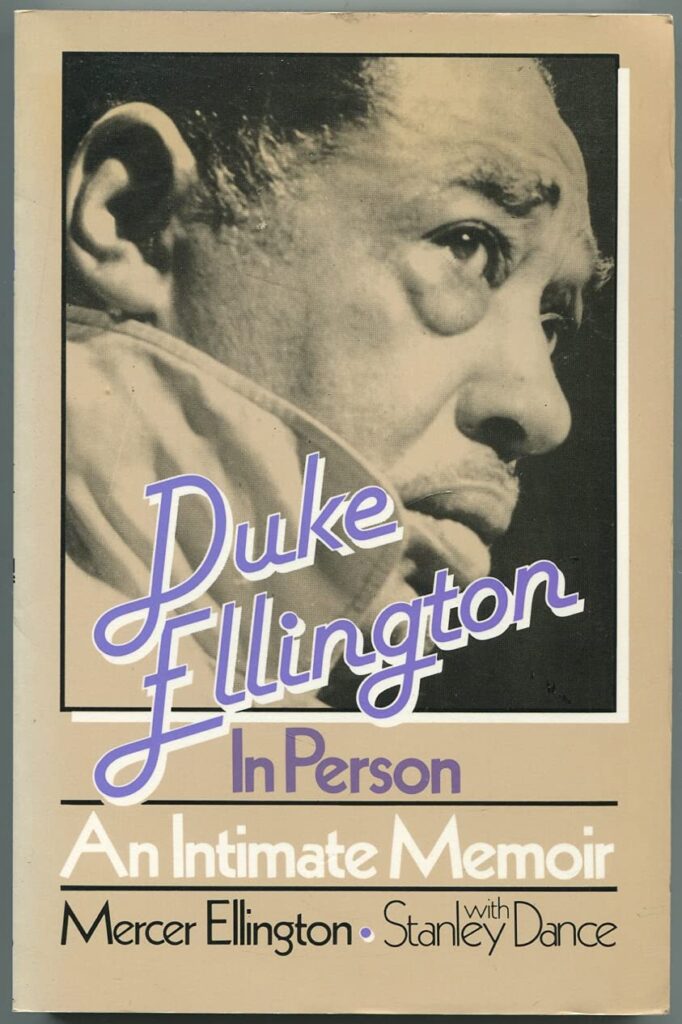
Recommended Reading