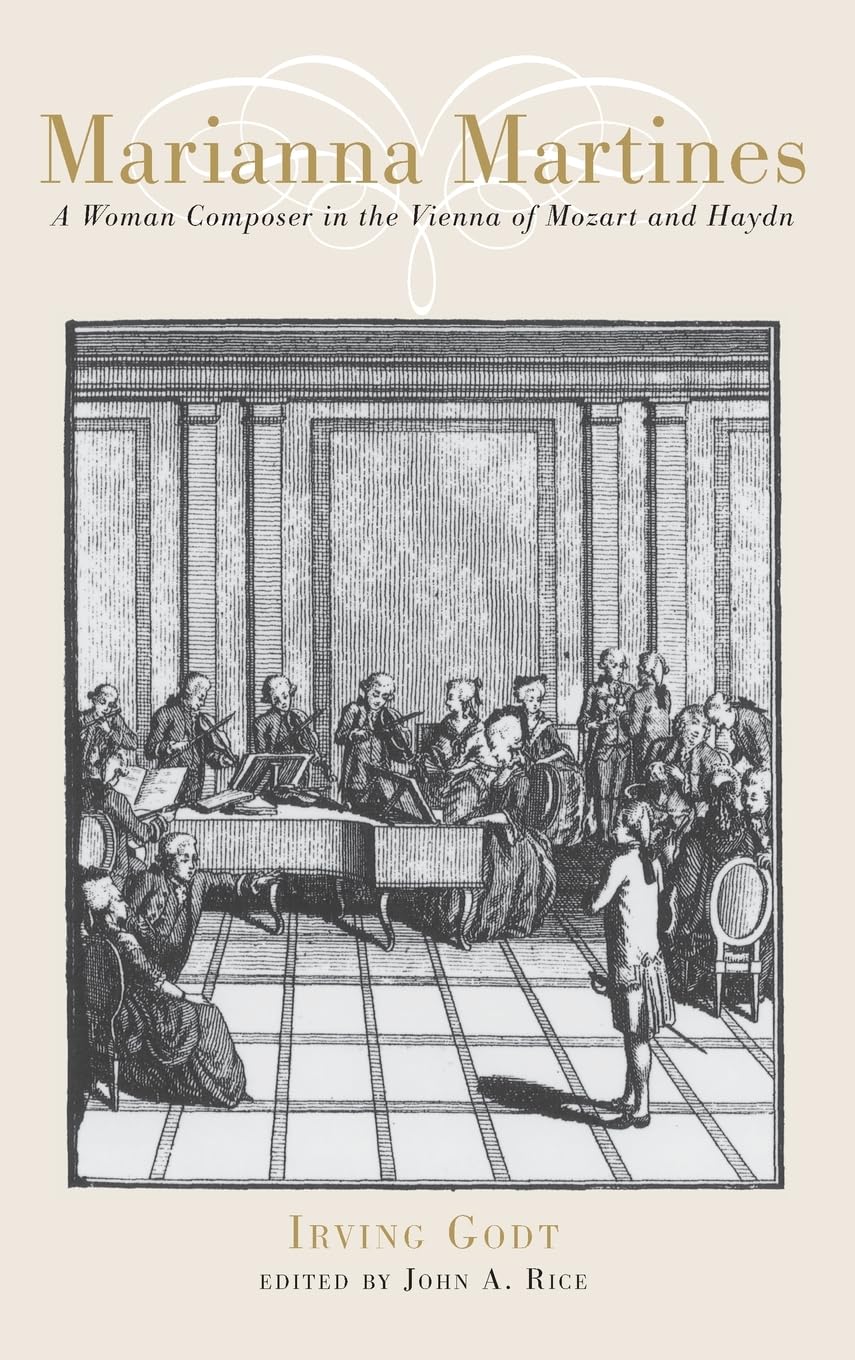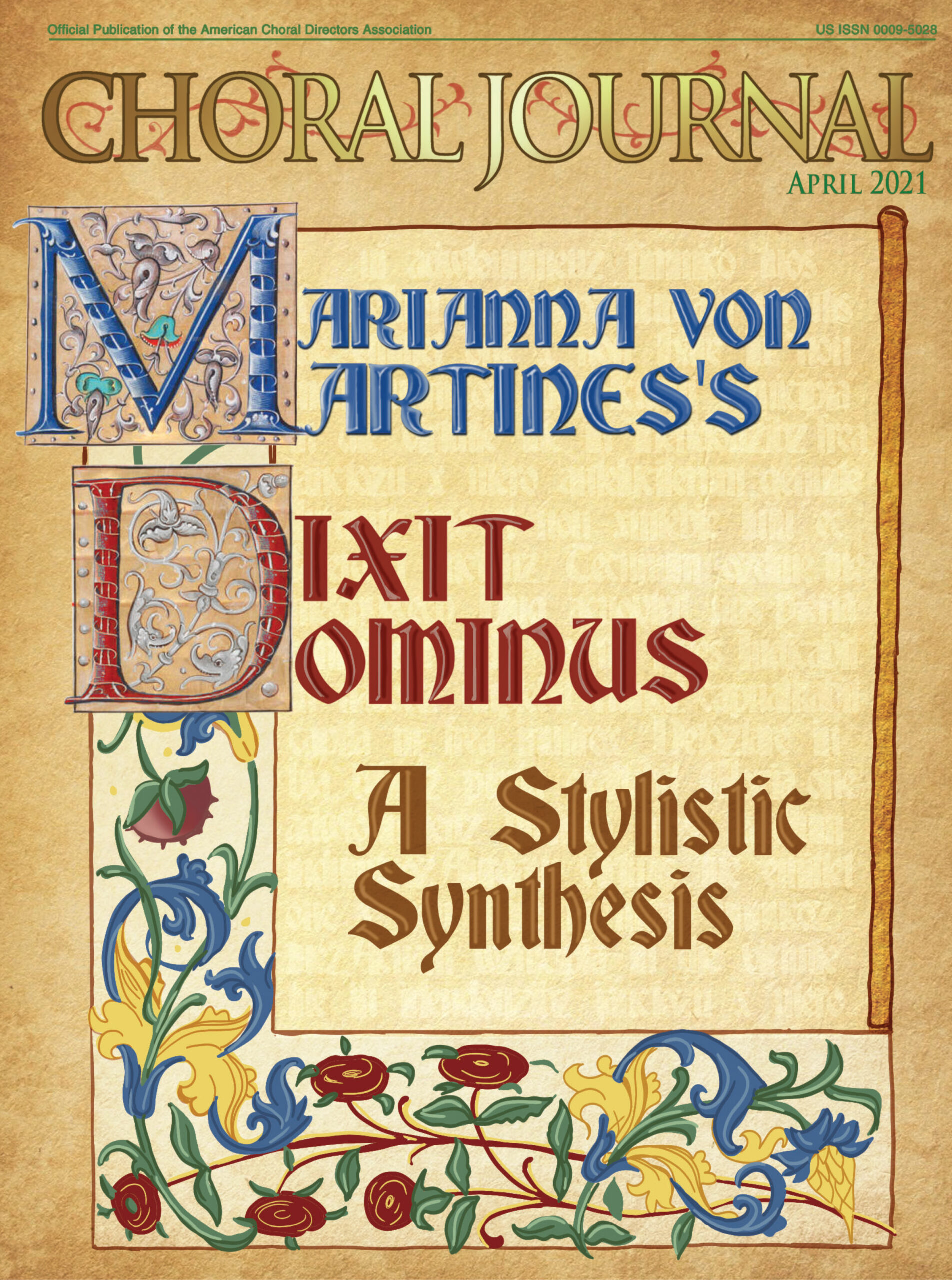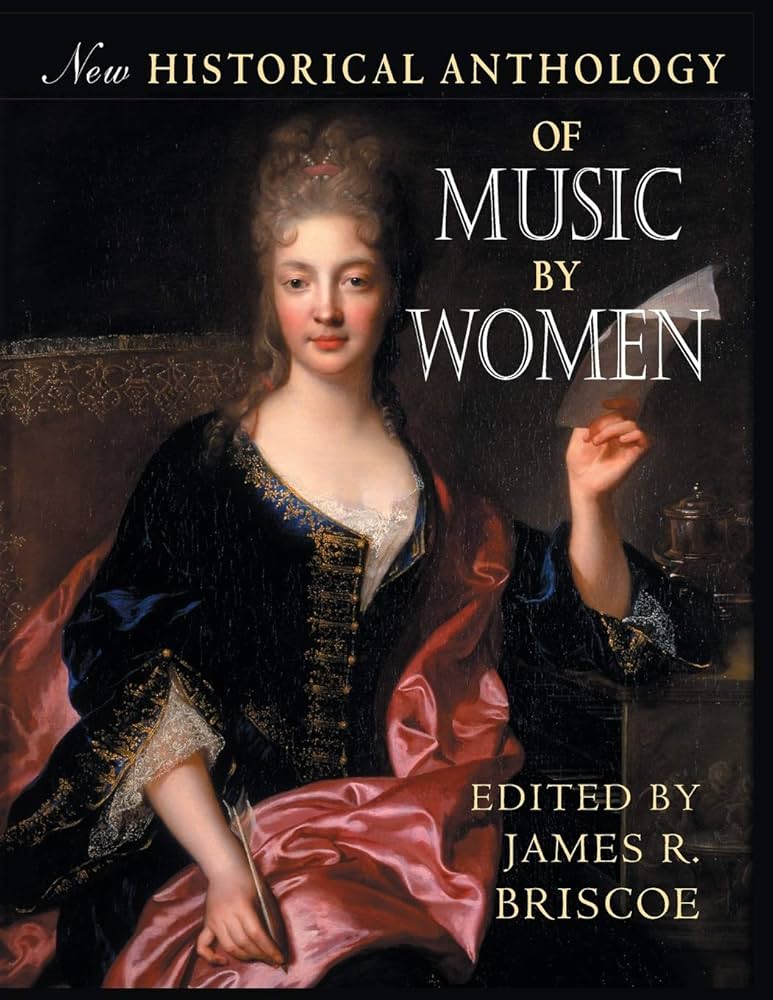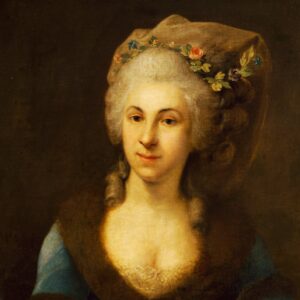
Marianna Martines (born Anna Katharina Martinez) was an accomplished Viennese composer, keyboardist, and singer whose musical career unfolded at the center of Enlightenment-era musical life. Raised in the Michaelerhaus, which was also home to the poet Pietro Metastasio, she studied with the finest teachers of her day and became known for her command of German, Italian, French, and English. A member of the prestigious Accademia Filharmonica di Bologna, Martines produced an impressive sacred and secular oeuvre that combines galant clarity with Baroque contrapuntal depth. Among her most significant works is Dixit Dominus (1774), a vivid seven movement setting of Psalm 110 that demonstrates her mastery of large scale choral orchestral writing, text painting, and multi movement design. Her music was performed by leading Viennese ensembles, including the Tonkünstler Societät, which presented her oratorio Isacco, figura del redentore. Today, Martines is increasingly recognized as one of the most important women composers of the Classical period.
Oeuvre
- 4 Masses
- 2 Litanies of Loreto
- 4 Italian Psalms
- 2 Oratorios
- Regina caeli a 8
- Miserere mei Deus
- Dixit Dominus
- 7 Solo Motets
- 27 Arias
- 7 Solo Cantatas
- 4 Keyboard Concertos
- 1 Overture
- 3 Keyboard Sonatas
Compositional Style & Influences
as compared with Haydn & Mozart
MELODIC LANGUAGE
Lyric, vocal, and Italianate; her melodies often resemble opera seria arias in their elegance and long-breathed phrasing.
- Haydn: More motivic and rhythmically driven; themes are frequently built from short, malleable cells.
- Mozart: Combines effortless lyricism with exquisite balance; melodies are often more ornate and emotionally diverse than either Martines or Haydn.
HARMONIC STYLE
Harmonic writing is sophisticated, expressive, and sometimes more chromatic or adventurous than expected (closer to Mozart in richness, though still rooted in Viennese clarity).
- Haydn: Often harmonically playful but structurally functional; harmonic surprises serve motivic humor and formal wit.
- Mozart: Richer in color, with smoother modulations and more nuanced chromatic inflection.
FORMAL APPROACH
Forms are clear and balanced, but often infused with fluid vocal gestures and sequences typical of Italian style; her sacred works blend Classical structure with Baroque-influenced counterpoint.
- Haydn: Highly architectonic; form is often shaped through motivic development and thematic economy.
- Mozart: Form is elegant and seamless; transitions and contrasts feel inevitable and dramatic without calling attention to themselves.
COUNTERPOINT
Exceptionally strong, reflecting rigorous training; uses fugal writing with fluency, particularly in sacred music.
- Haydn: Masterful but more frequently used for dramatic or humorous effect.
- Mozart: Fluent and expressive, especially later in life, but typically more blended into texture than foregrounded.
KEYBOARD WRITING
Virtuosic, idiomatic, full of scalar brilliance and figurations reflecting her prowess as a performer.
- Haydn: Innovative and witty, often using keyboard textures for dramatic contrast.
- Mozart: Elegant, transparent, pianistically fluid; balances brilliance with cantabile clarity.
DRAMATIC TEMPERAMENT
Operatic inflections appear even in non-vocal works; she emphasizes lyrical expressivity and refined affect rather than theatrical extremes.
- Haydn: Known for wit, drama, and surprise; emotional contrasts can be sharp and humorous.
- Mozart: Deeply human, emotionally expansive; possesses greater psychological nuance and operatic depth.
ORCHESTRATION
Clear and effective, often with warm wind coloring; generally more conservative than Mozart but similar in elegance to early Haydn.
- Haydn: Uses orchestration to create drama, surprise, and dynamic play.
- Mozart: More refined and varied in color, with masterful wind writing.
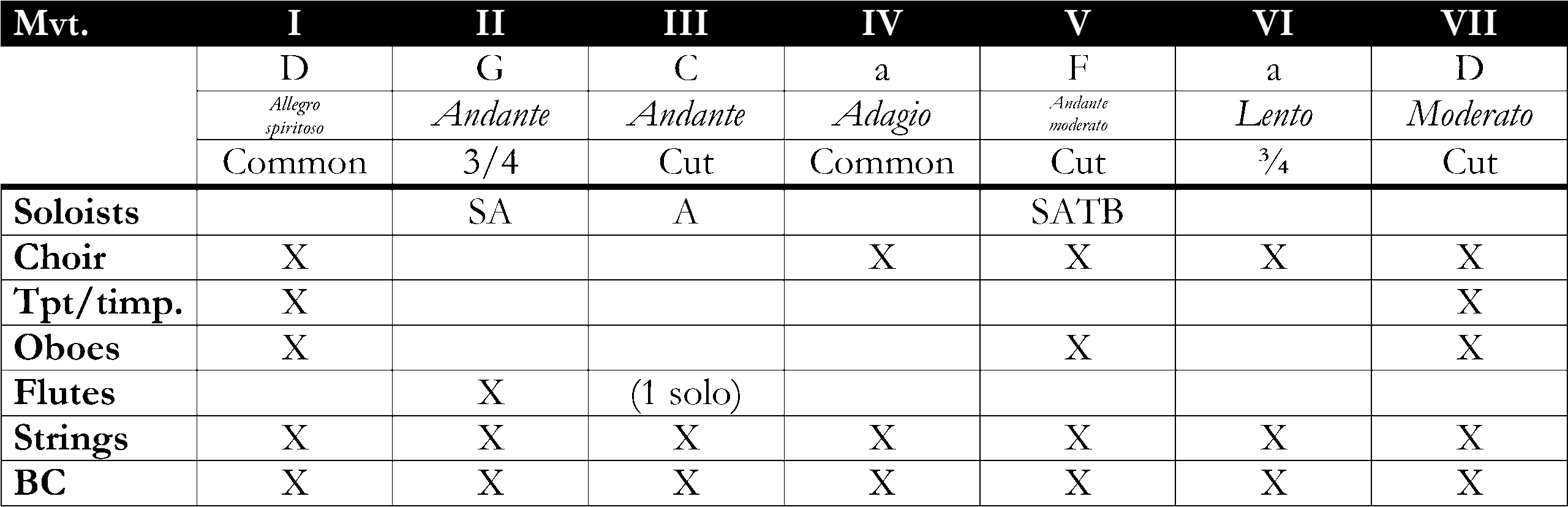
Dixit Dominus (1774)
The text is based on Psalm 110 (109, Vulgate) & the Gloria Patri (Lesser Doxology)
Form & Distribution of Performing Forces
Recommended Reading